
ZGF, in Collaboration with WPA and the University of Bern, Launches EMBRACE Project to Advance Holistic Breast Cancer Care in Ethiopia
Addis Ababa, Ethiopia — Project Officially Launched on the 22nd September 2026
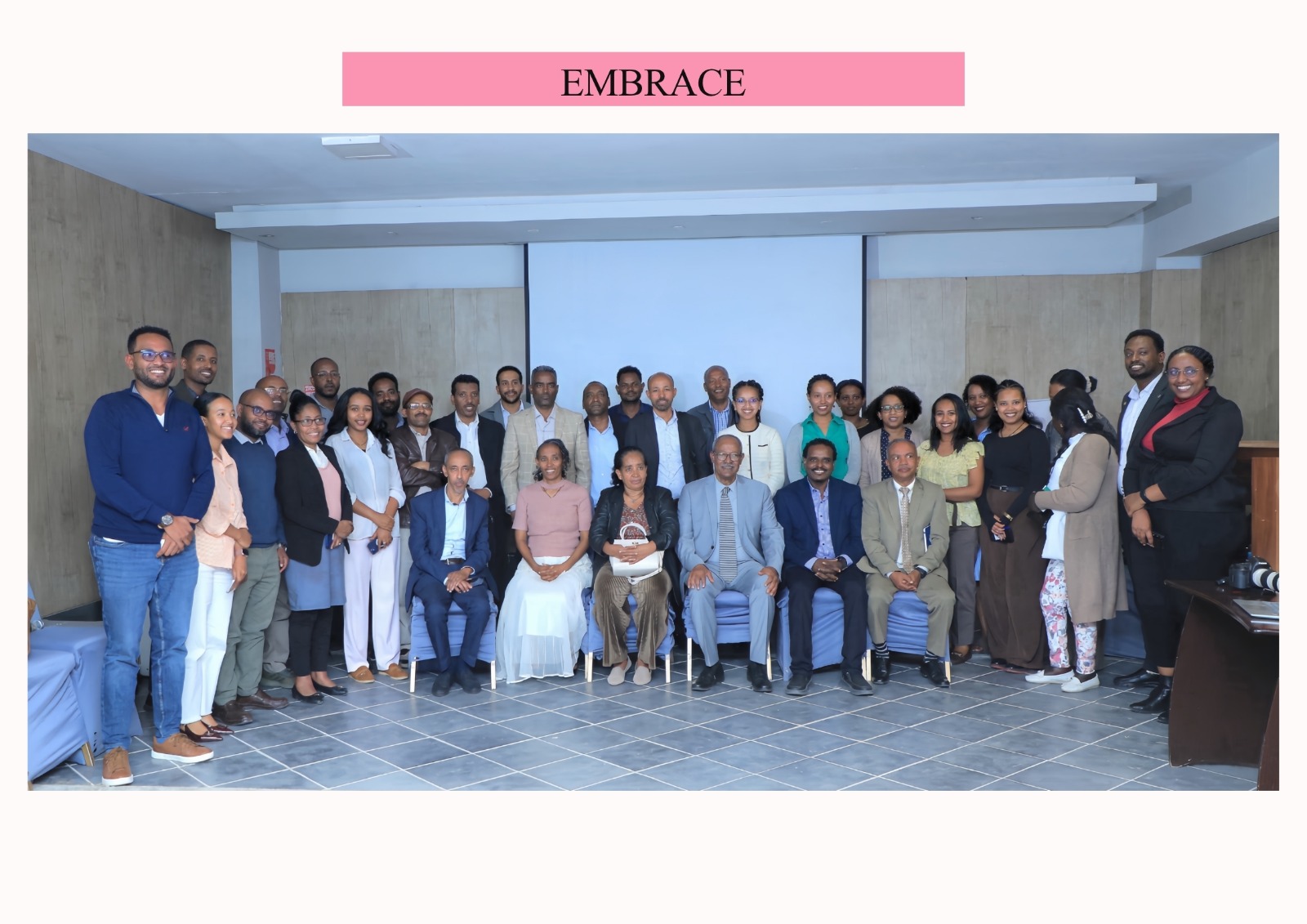
The Zewditu Getachew Foundation (ZGF), in collaboration with the University of Bern and the World Psychiatric Association (WPA), officially launched the EMBRACE Project (Enhancing Mental Health and Breast Cancer Research, Awareness, Care, and Education in Ethiopia) at a high-level stakeholder meeting held in Addis Ababa.
The EMBRACE Project aims to strengthen mental health services and psychosocial support for people affected by breast cancer in Ethiopia while promoting breast cancer awareness, early detection, capacity building, community engagement, and integration of psychosocial and mental health support into routine breast cancer care.
The program opened with welcome remarks by Prof. Tsige Gebre-Mariam, Executive Director of ZGF and EMBRACE Project Lead, who highlighted the significance of the initiative and the importance of bringing together national and international partners to address the multidimensional needs of people affected by breast cancer.
The opening session was followed by live video messages from international academic partners at the University of Bern and the World Psychiatric Association (WPA). Prof. Dr. med. Kristina Adorjan, Co-Principal Investigator, highlighted the global burden of oncology and emphasized that breast cancer remains a universal challenge affecting women worldwide, including in Ethiopia. She underscored that addressing the complex challenges associated with breast cancer requires strong interdisciplinary and international partnerships. Expressing her pride in co-launching EMBRACE with Prof. Tsige Gebre-Mariam, she also looked forward to future in-person collaboration between the partners.
Building on this message, Juliane Kahl, Co-Investigator from the University of Bern, highlighted the operational and scientific dimensions of the partnership. She emphasized that integrating psychosocial mechanisms into routine breast cancer care requires structured cross-border knowledge exchange, scientific rigor, and effective implementation frameworks. She expressed optimism about the project's long-term trajectory and emphasized the importance of sustained technical collaboration between international researchers and local healthcare actors in translating scientific knowledge into meaningful, patient-centered outcomes.
Dr. Mathewos, Senior Oncologist, commended ZGF for advancing the initiative and emphasized that psychological support is an integral component of comprehensive oncology care, with important implications for treatment adherence, recovery, and quality of life.
Following these messages, the project received strong endorsement from public health leadership. Representatives of the Addis Ababa City Administration Health Bureau, including Ms. Beemnet Nega and Ms. Biruktawit Abebe, together with Ms. Zinash Dejene, Head of the Kirkos Sub-City Health Office, delivered remarks affirming their support for the initiative and its alignment with public health priorities.
Providing the conceptual foundation for the initiative, Prof. Tsige Gebre-Mariam delivered a keynote presentation entitled “Why EMBRACE?” He outlined the prevailing clinical, psychosocial, and mental health gaps experienced by breast cancer patients and presented the project's implementation framework, emphasizing coordinated stakeholder engagement to maximize clinical impact and promote systemic integration.
Dr. Azeb Asaminew, Assistant Professor of Psychiatry at Tikur Anbessa Specialized Hospital (TASH), Addis Ababa University, provided an expert overview of mental health services and psychosocial support for breast cancer patients. She emphasized that psychological distress remains an important but frequently under-addressed component of oncology care and advocated for the systematic integration of standardized mental health and psychosocial services into routine clinical pathways.
The project focal person, Ms Eskedar, subsequently presented the EMBRACE approach and its four key pillars: Awareness, Capacity Building, Holistic Care, and Integration into Standard Care Pathways. These pillars provide the foundation for an integrated approach that recognizes that effective breast cancer care extends beyond diagnosis and treatment to include patients' psychological, emotional, social, and broader well-being.
Ms. Eskedar, ZGF Project Focal Person, presented the project's major components and implementation approach, emphasizing the importance of strengthening awareness, building healthcare professionals' capacity, promoting holistic care, and integrating psychosocial and mental health support into existing breast cancer care pathways.
A key component of the project is a rapid assessment of existing psychosocial and mental health services across selected federal, regional, private, and primary healthcare facilities in Ethiopia. The assessment will examine existing services, identify gaps and unmet needs, and document implementation challenges. The findings will inform healthcare professional capacity building and the development of appropriate, context-specific, and sustainable interventions.
The launch also generated strong support and concrete commitments from participating stakeholders. Ethiopian professional associations, including the Ethiopian Public Health Association, Ethiopian Medical Association, and Ethiopian Pharmaceutical Association, pledged their support for the initiative. The Associations further expressed their commitment to facilitating the ethical clearance process. Survivor support groups, non-governmental and civil society organizations expressed their readiness to contribute through family caregiver training, survivor support, and community engagement. Public and private hospitals and health facilities expressed their willingness to support the initiative by providing appropriate private spaces for consultations, counselling, psychosocial support, and mental health services, thereby facilitating the integration of these services into routine breast cancer care.
Dr. Veronica, Endocrine and Breast Surgeon, commended the project and highlighted the significance of the name EMBRACE as a reflection of its compassionate and holistic mission. She emphasized the importance of bringing together government institutions, academic and research institutions, healthcare professionals, advocacy networks, and community organizations around a shared commitment to ensuring that no breast cancer patient faces the journey alone.
The launch of EMBRACE therefore marks an important step toward advancing comprehensive, patient-centered breast cancer care in Ethiopia – care that addresses not only the disease itself, but also the psychological, emotional, and social well-being of patients and their families.


 9


