Child and Adolescent Psychiatry
The World Psychiatric Association Child and Adolescent Psychiatry (WPA-CAP) section, supports the overall mission and goals of the WPA, in:

  • Working with its members and partners around the world to promote child and adolescent mental health and to encourage the highest possible standards of clinical practice and ethical behavior in child and adolescent psychiatry.
  • Contributing to education programs and research, meetings, and publications to increase knowledge about child and adolescent mental disorders and skills in addressing them.
  • Disseminating knowledge about evidence-based therapy and values-based practice in child and adolescent psychiatry.
  • Being a voice for the dignity and human rights of young patients and their families.
  • Upholding the rights of child and adolescent psychiatrists where they may be challenged.

Under the leadership of the current Section Chair, Professor Anthony Guerrero (USA), the WPA-CAP section has convened work groups who represent multiple world regions, who publish papers in various international peer-reviewed journals (see below as a sample list), and who present at various international scientific forums, including the WPA, the International Association of Child and Adolescent Psychiatry and Allied Professions, the European Society for Child and Adolescent Psychiatry, and the American Academy of Child and Adolescent Psychiatry. The work groups evaluate and optimize training and workforce development especially in parts of the world where child and adolescent psychiatrists are in short supply, address the needs of children and adolescents worldwide who are vulnerable to health and mental health disparities, and provide mutual support to colleagues worldwide as we face multiple challenges (including the COVID-19 pandemic) in common.

One of the most important activities of the section is a peer-reviewed e-journal, World Child and Adolescent Psychiatry (World CAP), which welcomes all international submissions and which is completely free to submit to, publish in, and read. World CAP has provided a forum for trainees throughout the world, for specialists in other disciplines, and for internationally renowned thought leaders in child and adolescent psychiatry to make their voices heard to the membership. It has published articles on child and adolescent psychiatric practice in the midst of scarce resources, on the mental health of indigenous youth, and on many other urgent and important topics.

For further details on the proud history of the WPA-CAP section, please refer to an excellent article by Professor Helmut Remschmidt (Germany) from the September 2020 issue of World CAP.

Section Officers
Chair
Anthony Guerrero
Anthony Guerrero
Star icon
Child and Adolescent Mental Psychiatry Division, University of Hawaii, John A. Burns School of Medicine
Location icon
651 Ilalo Street, 96813 Honolulu, Hawaii, USA
Co-Chair
Vlatka Boričević Maršanić
Star icon
Zagreb Child and Youth Protection Center
Location icon
Dorđićeva 26, Zagreb, Croatia
Secretary
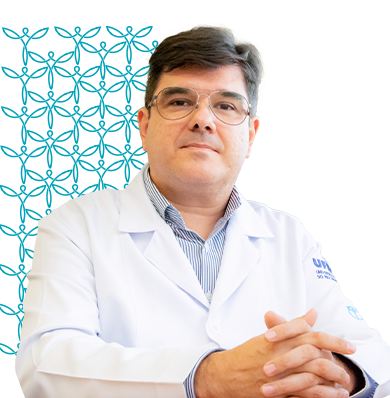
Flávio Dias Silva
Flávio Dias Silva
Star icon
Federal University of Tocantins, Palmas Medical School
Location icon
Quadra 109 Norte, Av. NS 15, ALCNO-14, Bloco BALA II, sala 11. Plano Director Norte - CEP 77001-090 - Palmas/TO/Brazil
Section member list can be found here

The Child and Adolescent Psychiatry Section Bill of Rights 2020-2023 here

Section Newsletter
Section Publications
Selected Publications (2018-2020)

Skokauskas N., Fung D., Flaherty L.T., von Klitzing K., Pūras D., Servili C., Dua T., Falissard B., Vostanis P., Moyano M.B., Feldman I., Clark C., Boričević V., Patton G., Leventhal B., Guerrero A. (2019). Shaping the future of child and adolescent psychiatry. Child Adolesc Psychiatry Ment Health. Apr 11; 13:19. https://pubmed.ncbi.nlm.nih.gov/31007713/ ​ Skokauskas N., Leventhal B., Cardeli E.L., Belfer M., Kaasbøll J., Cohen J. (2020). Supporting children of healthcare workers during the COVID-19 pandemic. Eur Child Adolesc Psychiatry, Jul 18:1-2. https://link.springer.com/article/10.1007/s...

Selected Publications (2021-2023)

​Yu Y, Liu J, Skokauskas N, Liu F, Zhang L, Teng T, Zou Y, Lyu Q, Liu R, Liu X, Meng H, Zhou X (2023). Prevalence of depression and anxiety, and associated factors, among Chinese primary and high school students: A cross-sectional, epidemiological study. Asia Pac Psychiatry. Jan 3:e12523. doi: 10.1111/appy.12523. Goto R., Pinchuk I., Kolodezhny O., Pimenova N., Skokauskas N. (2023). Mental health services in Ukraine during the early phases of the 2022 Russian invasion. Br J Psychiatry. Dec 2:1-6. Jadhav M., Shaligram D., Bernstein B., DeJong S., Hunt J., Ong S.H., Guerrero A., Skokauskas N. (2...
Section Activities
Item image

The Association for Child and Adolescent Mental Health Initiative in the UK - led by Prof. Gordana Milavić Davies (the Section's former Secretary)
ACAMH Learn is a high-quality, expert-led, trustworthy source of free-to-access information that supports the CME / CPD of mental health practitioners and clinicians, academics and researchers, teachers and social workers, as well as parents and carers.

Updated weekly it includes an expanding range of ACAMH-accredited content, from two-minute myth-busting videos and podcasts, through to in-depth expert lectures, covering autism, ADHD, eating disorders, anxiety, suicide, self-harm and more.

Register for free and get free CME / CPD certificates for everything you learn. Every video and podcast benefits from fully searchable transcripts, while a class-leading taxonomy helps find the right learning for you. Users can also create and share clips, playlists, shareable links.

Integrated Care: Education, Collaboration, and Innovation

The WPA’s CAP Section has just completed a series of short interviews with renowned psychiatrists on integrated care, an approach that involves collaboration among professionals from different specialties and services.

Integrated Care has been recognized as one of the most effective strategies for providing care for more people, with higher quality and better cost-effectiveness. In this series of interviews, you’ll learn a bit about the experiences of psychiatrists from the USA, the UK, Canada, and Brazil who work with some aspect of integrated care in their own respective countries. Additionally, we also sought to hear the perspectives of psychiatry residents in the USA on this topic.

Learn more about this work by watching the videos below!
Integrated Care: From the Trainee Perspective

Integrated Care: From the Trainee Perspective

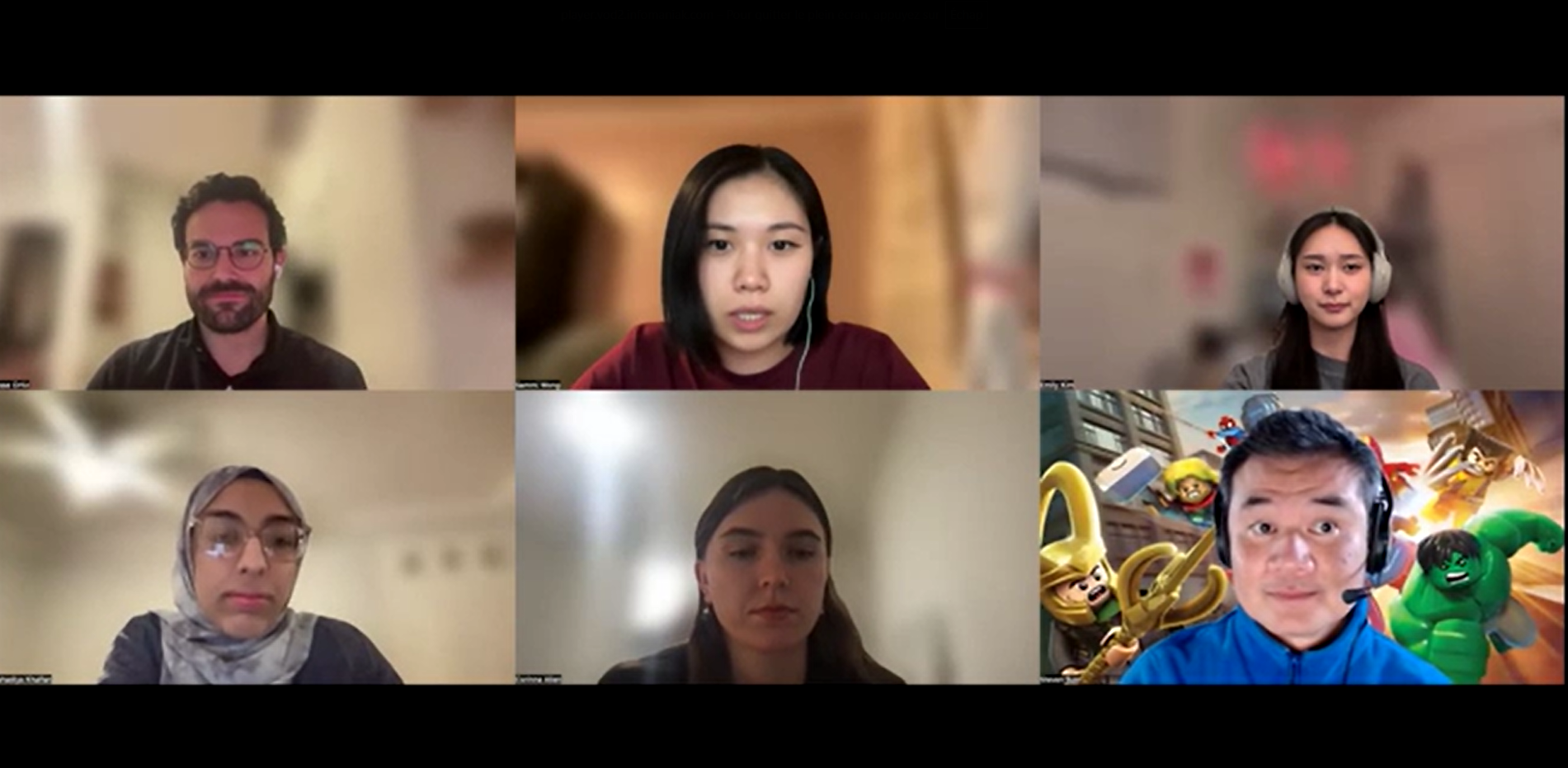
By: Dr. Sammi Wong, USA, Dr. Steven Sust, USA, and USA medical students: Corinne Allen, Jessica Ortiz, Emily Kim, and Mahadiya Khalfan

Dr. Steven Sust and Dr. Sammi Wong interview USA medical students about their trainee experiences.

Read More
This webinar is designed to introduce and orient younger generations—particularly undergraduate and medical students—to the principles and practice of integrated care. It begins with an engaging foundational overview delivered by Dr. Sust, who will outline the core concepts, significance, and evolving role of integrated care within modern healthcare systems. Building on this framework, the session transitions to a series of reflections from current medical student trainees, who will share their firsthand experiences and insights. Through their perspectives, attendees will gain a nuanced understanding of how integrated care is encountered in clinical training, including the challenges, opportunities, and interdisciplinary dynamics that shape patient-centered practice. Together, these components aim to foster early awareness, encourage critical thinking, and inspire future healthcare professionals to embrace collaborative approaches in their own careers.
Bridging the Gap in Transitional Mental Health: Challenges and Opportunities for Young People Aged 16–25

Bridging the Gap in Transitional Mental Health: Challenges and Opportunities for Young People Aged 16–25

By: Dr. Ramya Mohan, UK, and Dr. William Shanahan, UK

Dr. Ramya Mohan (NHS – UK) interviews Dr. William Shanahan (UK), specialist in substance addiction

Read More
In this webinar, Dr. Ramya Mohan (Senior Consultant Child and Adolescent Psychiatrist and Medical Educator) and Dr. William Shanahan (Senior Addictions Psychiatrist and the Medical Director at the Priory Hospital Roehampton) explore the evolving landscape of transitional care pathways for young people aged 16–25, with particular attention to the challenges and opportunities in co-morbidity, mental health, and addiction services. Drawing on emerging evidence, policy developments, and clinical practice, they examine why traditional service boundaries often fail to meet the needs of this highly vulnerable population and how integrated, developmentally informed models of care are reshaping service delivery. They discuss recent policy initiatives and international calls for youth-centered services that bridge the divide between paediatric and adult care models. Designed for psychiatrists, trainees, mental health professionals, policymakers, and healthcare leaders, this webinar will explore how education, service innovation, and system reform in a transitional mental healthcare group can help create more responsive pathways for young people navigating one of the most vulnerable and transformative periods of their lives.
Mental Health & Psychiatry Education Reform

Mental Health & Psychiatry Education Reform

By: Dr. David Cawthorpe, USA and Dr. Robert C. Smith, USA

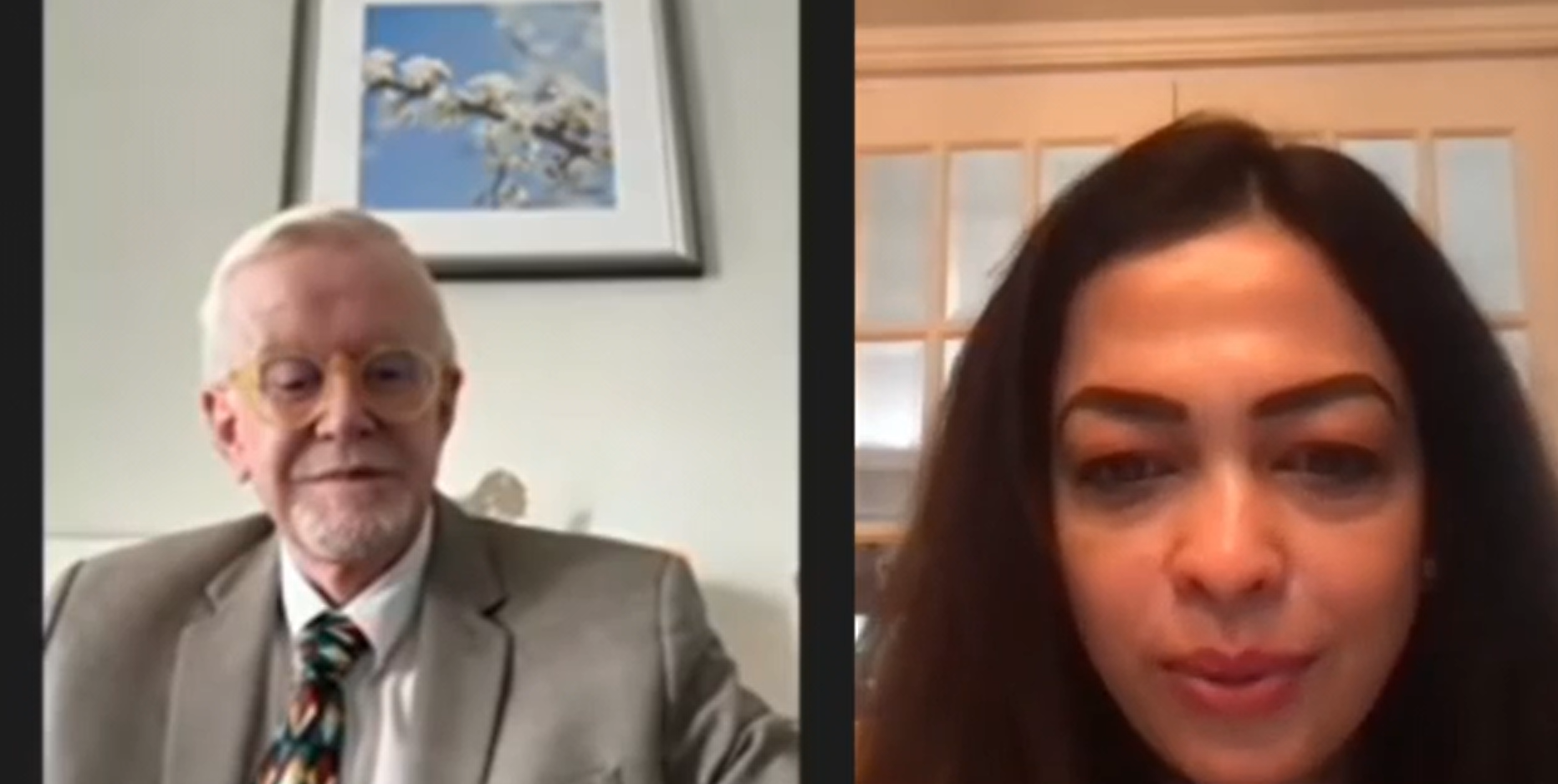
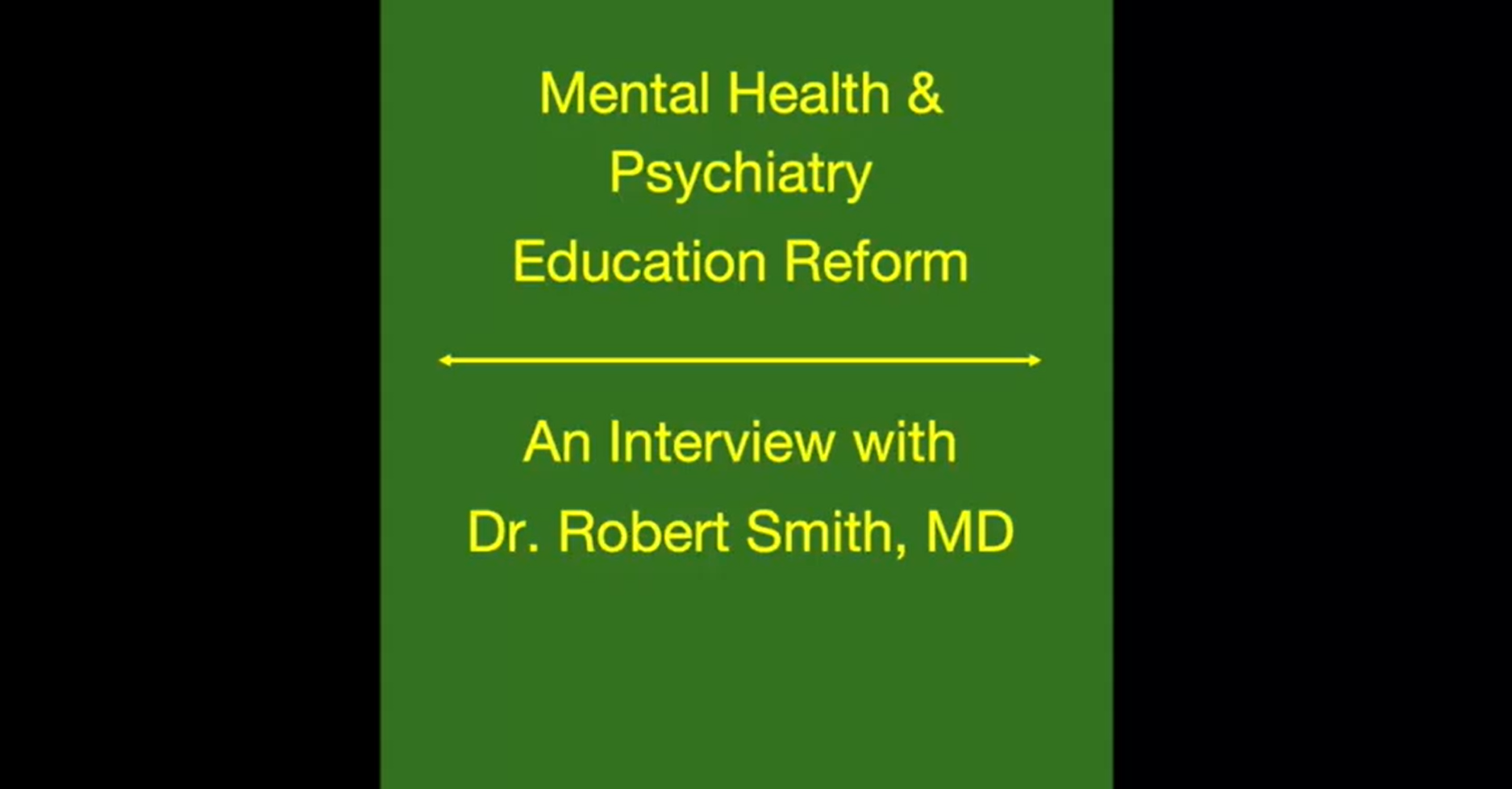
Dr. David Cawthorpe (University of Calgary) interviews Dr. Robert Smith (USA) about Mental Health Education Reform

Read More
Dr. Robert C. Smith is University Distinguished Professor of Medicine and Psychiatry Emeritus at Michigan State University and is internationally recognized as a pioneer in patient-centered interviewing, primary care mental health, and physician self-awareness. For more than four decades, his research has focused on bringing mental health out of the margins of medicine and into the center of everyday clinical care. In this webinar, Dr. Smith will discuss the evolution of patient-centered medicine, the challenges of integrating mental health into primary care, the importance of physician self-awareness, and the educational reforms needed to prepare future healthcare professionals for the realities of modern practice. His work offers a compelling vision for a healthcare system in which mental health is not an afterthought, but an essential component of every clinical encounter and every healthcare professional’s training. This webinar provides an opportunity to learn from one of the pioneers who helped transform the biopsychosocial model from a philosophical concept into a practical, evidence-based approach to medical education, patient care, and mental health integration.
Integrating and Disseminating Mental Health Literacy In Undergraduate and Post-Secondary Education

Integrating and Disseminating Mental Health Literacy in Undergraduate and Post-Secondary Education

By: Dr. David Cawthorpe, USA, Dr. Yifeng Wei, Canada, and Dr. Andrew Baxter, Canada

Dr. David Cawthorpe (University of Calgary) interviews Dr. Yifeng Wei and Dr. Andrew Baxter (University of Alberta) about mental health literacy in undergraduate and post-secondary education

Read More
Working with MentalHealthLiteracy.org since 2008, Dr. Yifeng Wei has led numerous national and international projects to improve mental health knowledge among students, educators, and communities. Her research examines how schools can become effective environments for promoting mental health, reducing stigma, encouraging help-seeking, and improving early identification of mental disorders. Dr. Andrew Baxter has played a crucial role in implementing mental health literacy initiatives within educational systems. His research has demonstrated that mental health literacy training for educators can improve both the quantity and quality of referrals to child and adolescent mental health services, helping young people access appropriate care sooner and more effectively. Their work represents one of the most influential efforts to bridge the traditional gap between education and mental health care. Rather than waiting for mental disorders to become severe before intervention occurs, mental health literacy seeks to equip young people, families, educators, and communities with the knowledge and skills needed to promote mental wellness, recognize problems early, reduce stigma, and connect individuals with appropriate support. For the webinar audience, Dr. Yifeng Wei and Dr. Andrew Baxter illustrate how rigorous science, educational innovation, and public engagement can be combined to create measurable improvements in mental health understanding and access to care across populations.
Matrix Support - A Brazilian Integrated Care Model

Matrix Support - A Brazilian Integrated Care Model

By: Dr. Flávio Dias Silva, Brazil, and Dr. Manoela Salgado, Brazil

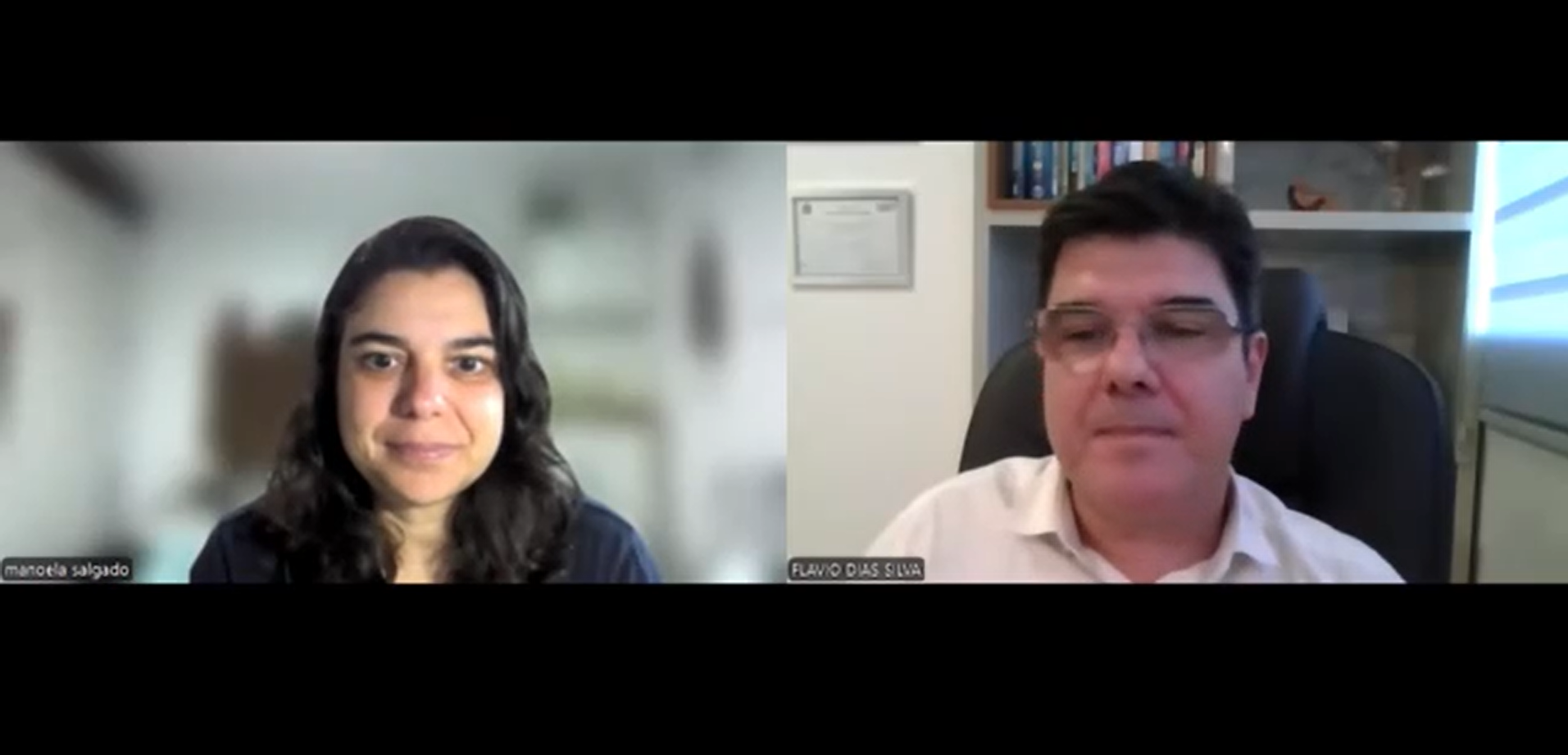
Dr. Flávio Silva (WPA CAP Section Secretary) interviews Dr. Manoela Salgado (Brazil) about regional academic experiences with ‘Matrix Care’”.

Read More
In this video, Dr. Flávio, a Brazilian physician with dual training in family and community medicine and psychiatry, interviews a colleague from his country, Dr. Manoela Salgado, a professor at the State University of Rio de Janeiro (UERJ). Dr. Salgado, also a psychiatrist, has worked for years at a university clinic that supports nearby primary care units, particularly in the field of child and adolescent mental health. Through a genuinely Brazilian model of integrated care known as “matriciamento,” Dr. Salgado is part of a team that treats patients in collaboration with primary care professionals through joint consultations, case discussions, support for managing waiting lists, and training on specific topics. These activities involve collaboration with other health professionals and serve as internship opportunities for students from the health sciences schools at her university, aiming to inspire undergraduate students' desire to care for patients’ mental health, regardless of the specialty they may choose in the future.