Supporting and Implementing Alternatives
to Coercion in Mental Health Care
The use of coercion in mental healthcare has long been subject to controversy, and the call for viable
alternatives is growing both within the profession and among people with lived experience of coercion in
mental healthcare.
Advocates for change aim to maximise therapeutic outcomes and promote the rights and
recovery of people with mental health conditions and associated psychosocial disabilities. Research and
guidance is now available to support the implementation of alternatives to coercion in low-income,
middle-income and high-income countries. Service managers, clinicians, and people with lived experience
and their families all can play a central role in leading change. With appropriate resources the
services can, for example, pursue WHO Quality-Rights assessment and transformation processes and promote
initiatives explicitly aimed at implementing alternatives to coercion.
An effective and long-lasting change can only take place in a recovery oriented system of care, in which respect for human rights and
service user involvement are not only required, but realised through sound pathways to noncoercive care.
This includes attention to all the important steps along the way – prevention, early intervention, and
continuity beyond clinical settings to provide integrated and personalised care. Meaningful involvement
by persons with lived experience of mental health problems and psychosocial disabilities and their
families bring crucial insight and momentum irrespective of where the services are in their development.
The WPA is committed to supporting mental health professionals and their organisations to implement alternatives to coercion. To this end, the WPA has been working with the Royal Australian & New Zealand College of Psychiatrists, the Japanese Society of Psychiatry and Neurology and other partners to produce the following resources:

Implementing Alternatives to Coercion
in Mental Healthcare (2020)
evidence, policy and practice
The WPA will continue to update this list as it produces new tools and resources.
In addition, the WPA maintains an active partnership with the World Health Organization, which offers the QualityRights E-Training on Mental Health, Recovery and Inclusion. It is available in eleven languages and can be accessed free of charge.
- To identify topics related to improvement of the quality and safety of mental health services and implementation of sound alternatives to coercion, that are of interest for all stakeholders, and develop recommendations for WPA’s involvement in research, education and service development relevant to dealing with problems of quality and safety of mental health services.
- To identify member societies, institutions and individuals interested and willing to participate in WPA’s programs of research, service development and education related to the implementation of alternatives to coercion.
- To liaise with the other WPA Action Plan Working Groups on quality and safety of mental health services with a view to ensure that problems of respect for dignity and human rights of people with mental disorders, and related advocacy activities, are considered in the work of these groups and vice versa.

 Associate Professor- President of the Royal Australian and New Zealand College of Psychiatrists (RANZCP) until May 2021- Executive Director of Mental Health Alcohol and other Drugs Branch, Clinical Excellence Division in Queensland Health, School of Medicine University of Queensland
 15 Butterfield St Herston, Brisbane 4030 Australia
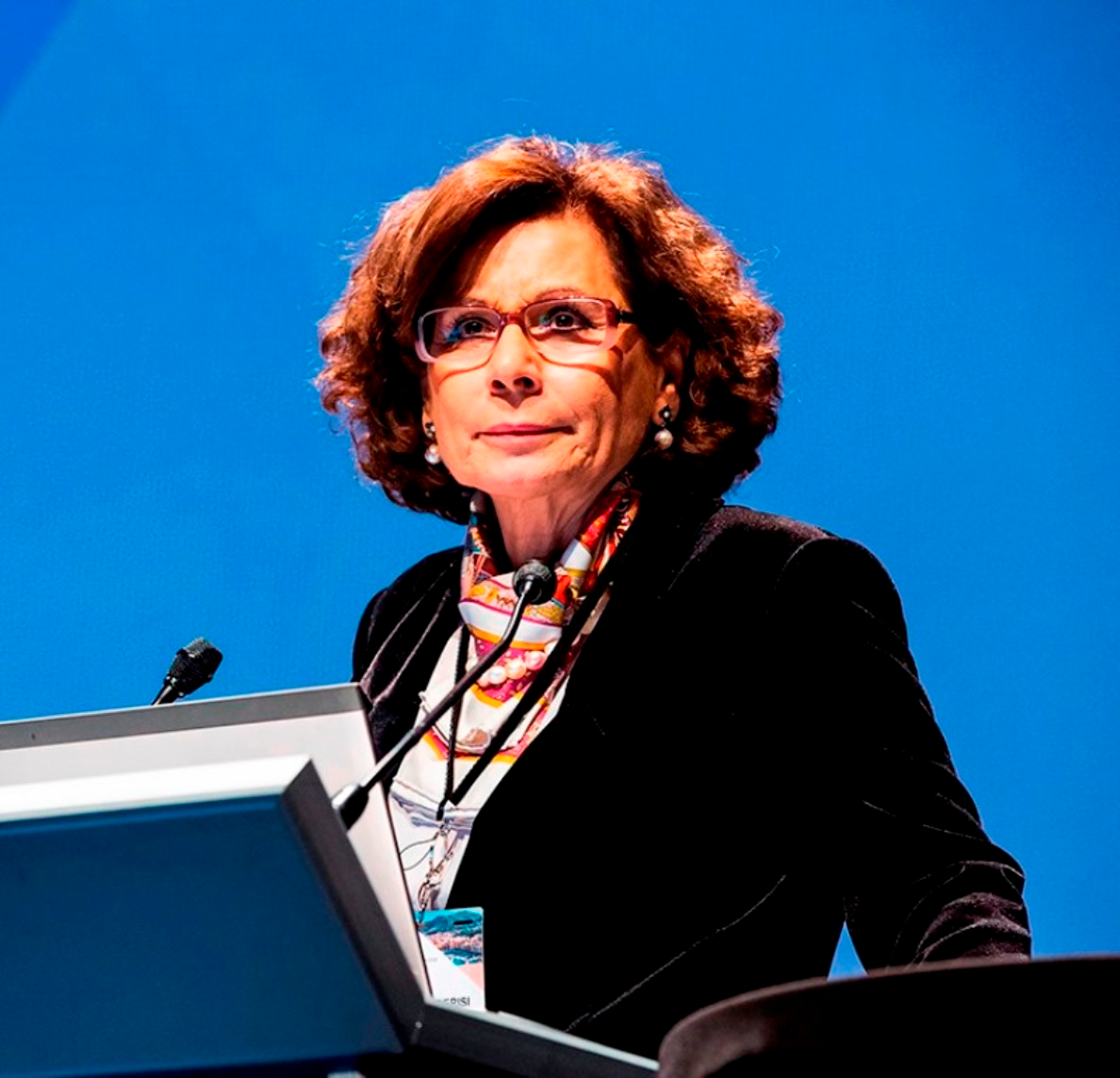 Full Professor of Psychiatry,
 University of Campania Luigi Vanvitelli
Naples, Italy
 Professor Emeritus of Psychiatry, Orygen and Centre for Youth Mental Health
The University of Melbourne
Parkville, Victoria, Australia
 Juliet Nakku
 Amine Larnaout
- Symposium, workshop, forum other type of meeting
- Webinar(s)
- Position papers, reports, guidelines
- Digital/online, print version documents
- Articles in journals, books
- Products distributable through social media (eg short videos)
- Research protocols and studies
- Training programs
- Collaboration with other organisations working in this field
This Discussion Paper from the WPA Taskforce outlines recent developments in practice, research and international human rights law concerning coercion in mental health settings with the aim of supporting psychiatrists and other mental health professionals in their work towards improving the quality and safety of mental health services and putting sound alternatives to coercion in place.
A set of three case studies designed to share experiences and promote understanding of existing efforts to generate change in settings operating under varying social, cultural, and economic conditions. It aims to encourage and support mental health professionals around the world to work with people with lived experience, service providers and other partners to put alternatives to coercion into practice. It should be noted that the WPA has neither implemented nor evaluated the work described in the case studies. See links to full case studies and examples from practice below:
- QualityRights Gujarat (India) – an example of implementing alternatives to coercion at the state level
- Campo Abierto Bogotá (Colombia) in English an example of a health facility implementing alternatives to coercion
- Campo Abierto Bogotá (Colombia) in Spanish
- Towards eliminating seclusion and restraint in Australia and New Zealand – an example of implementing alternatives to coercion at the national level


Any unauthorized use, reproduction, or modification
of the WPA logo is strictly prohibited.